When people think about internet quality, they usually focus only on speed. However, there is another factor that is just as important — and often overlooked: latency.
Have you ever experienced frozen video calls or delayed system responses even while using “fast internet”? In many cases, the issue isn’t download speed — it’s high latency.
What Is Internet Latency?
Latency is the amount of time it takes for data to travel from one point to another within a network.
It is measured in milliseconds (ms) and represents the delay in communication between devices, servers, or systems.
In practice:
- The lower the latency, the faster and smoother the response time
- The higher the latency, the greater the communication delay
That’s why latency is not about download speed — it’s about response time and network performance.
Why Is Low Latency Important?
Latency directly affects user experience, network reliability, and real-time business operations.
In enterprise environments, high latency can negatively impact:
- Video conferencing and VoIP calls
- Cloud-based applications and SaaS platforms
- ERP and CRM systems
- Security cameras and remote monitoring
- Industrial automation systems
- Financial transactions
- Real-time collaboration tools
In other words, even with high-speed internet, a connection with poor latency can compromise productivity and operational efficiency.
Latency Across Different Internet Technologies
Different internet technologies deliver different latency levels due to infrastructure design and transmission distance.
Fiber Optic Internet
- Very low latency
- Ideal for mission-critical and real-time applications
- Excellent network stability and performance
FWA (4G/5G Fixed Wireless Access)
- Low to moderate latency
- Excellent performance with modern 5G networks
- Ideal for business connectivity and redundancy strategies
Satellite Internet
- Higher latency
- May cause delays in real-time applications and communications
This difference exists because data travels through completely different infrastructures and distances depending on the technology used.
Low-latency connectivity is especially important for businesses that rely on real-time systems and uninterrupted communication.
What Causes High Latency?
Several factors can influence internet latency, including:
- Distance between the user and the server
- Network infrastructure quality
- Type of internet connection (fiber, wireless, satellite)
- Network congestion
- Data routing efficiency
- Signal interference and stability issues
That’s why having fast internet alone is not enough — businesses also need a well-structured and reliable network.
How Does Latency Affect Business Continuity?
For businesses, latency is not just a technical issue — it’s a strategic factor.
Solutions that combine:
- Low latency
- High availability
- Stable connectivity
- Network resilience
are essential to maintaining uninterrupted operations and ensuring optimal performance for mission-critical applications.
This is why technologies such as FWA are becoming increasingly important, especially when combined with fiber optic infrastructure to improve redundancy and operational continuity.
Why FWA Is Becoming a Strategic Connectivity Solution
Modern FWA solutions powered by 4G and 5G networks offer:
- Fast deployment
- Low-latency connectivity
- Flexible infrastructure expansion
- Reliable backup connectivity
- Improved network resilience
For many businesses, FWA is no longer just an alternative — it has become a strategic layer for enterprise connectivity.
The Future of Connectivity Depends on Performance and Reliability
Latency is one of the most important factors in internet quality, especially for applications that require fast response times and continuous connectivity.
More than just speed, businesses need:
- Stability
- Low response time
- High availability
- Reliable network performance
Understanding and monitoring latency helps companies make smarter connectivity decisions and maintain operational efficiency in increasingly digital environments.
Looking for Low-Latency Connectivity for Your Business?
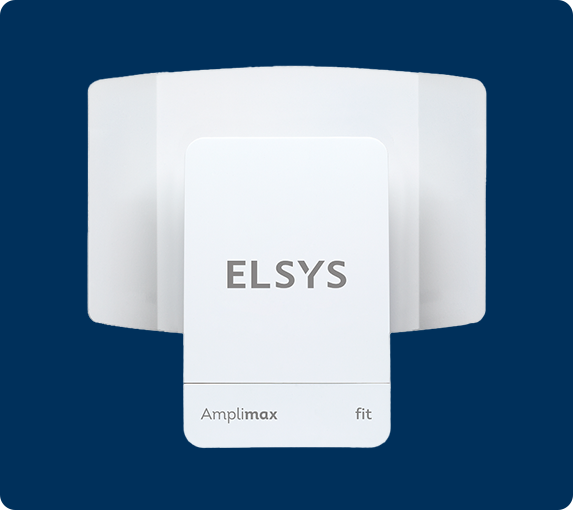
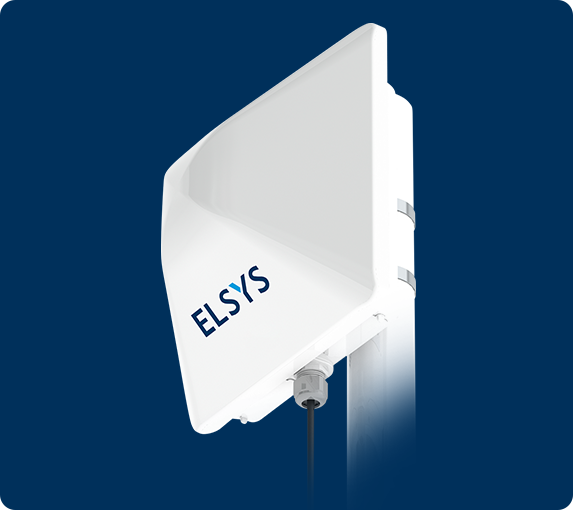
Discover how Elsys FWA solutions help businesses improve network performance, reduce downtime, and maintain stable, low-latency connectivity for modern enterprise operations.